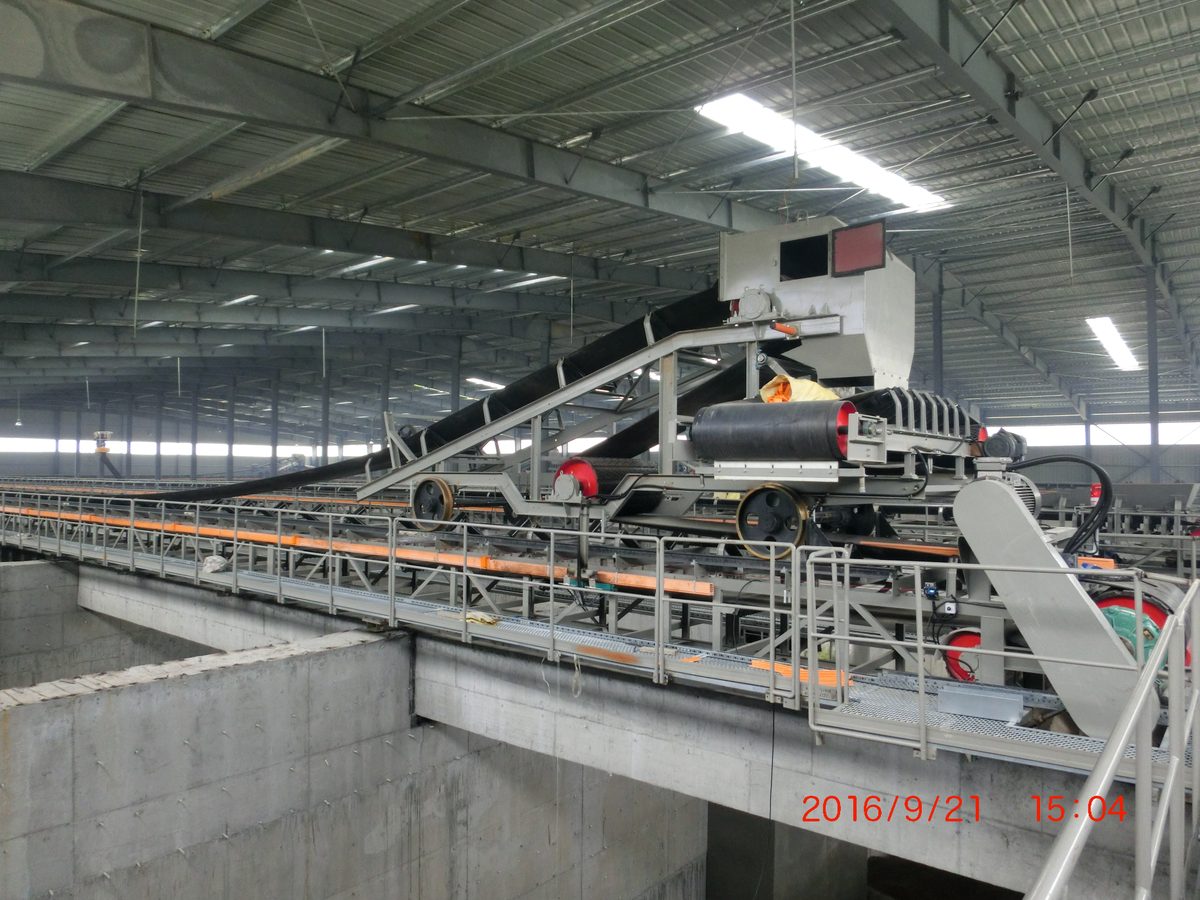
Belt cleaners, impact beds, rollers and idler sets, pulleys, trippers and tubular belt conveyors. Product groups for the transfer point, carrying strand and drive station.
Bulk materials handling
Conveyor components matched to the loading and discharge duty
Loading zones and discharge points are common sources of belt damage, spillage and carryback. Correctly selected impact support, belt cleaners and idlers can help reduce these problems. Selection depends on the material, belt condition and transfer arrangement.
Send the belt width, speed, material, loading conditions and existing component details. We can review cleaners, impact beds, idlers, pulleys and selected conveyor equipment as part of the same enquiry.
Primary and secondary belt cleaners selected for the belt, splice and conveyed material
Impact beds and replaceable bars configured for the loading zone and maintenance access
Replacement pulleys reviewed against the customer drawing, dimensions and duty
FRAS options can be quoted where the required certification is specified
Eight lines covering the loading zone, the carrying and return strands, the drive station and specialist conveyor types.
Belt Cleaners
Primary and secondary belt cleaners for different belt widths, speeds, splice types and conveyed materials. Cleaner selection is confirmed from the application details supplied.
TypesH / P / GH / brush / reversible
BladesAlloy or polyurethane
SelectionBelt and material data required
Impact Beds
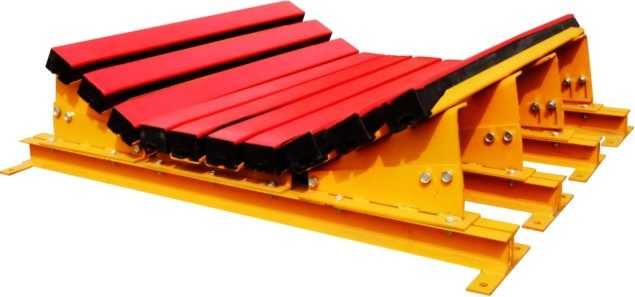
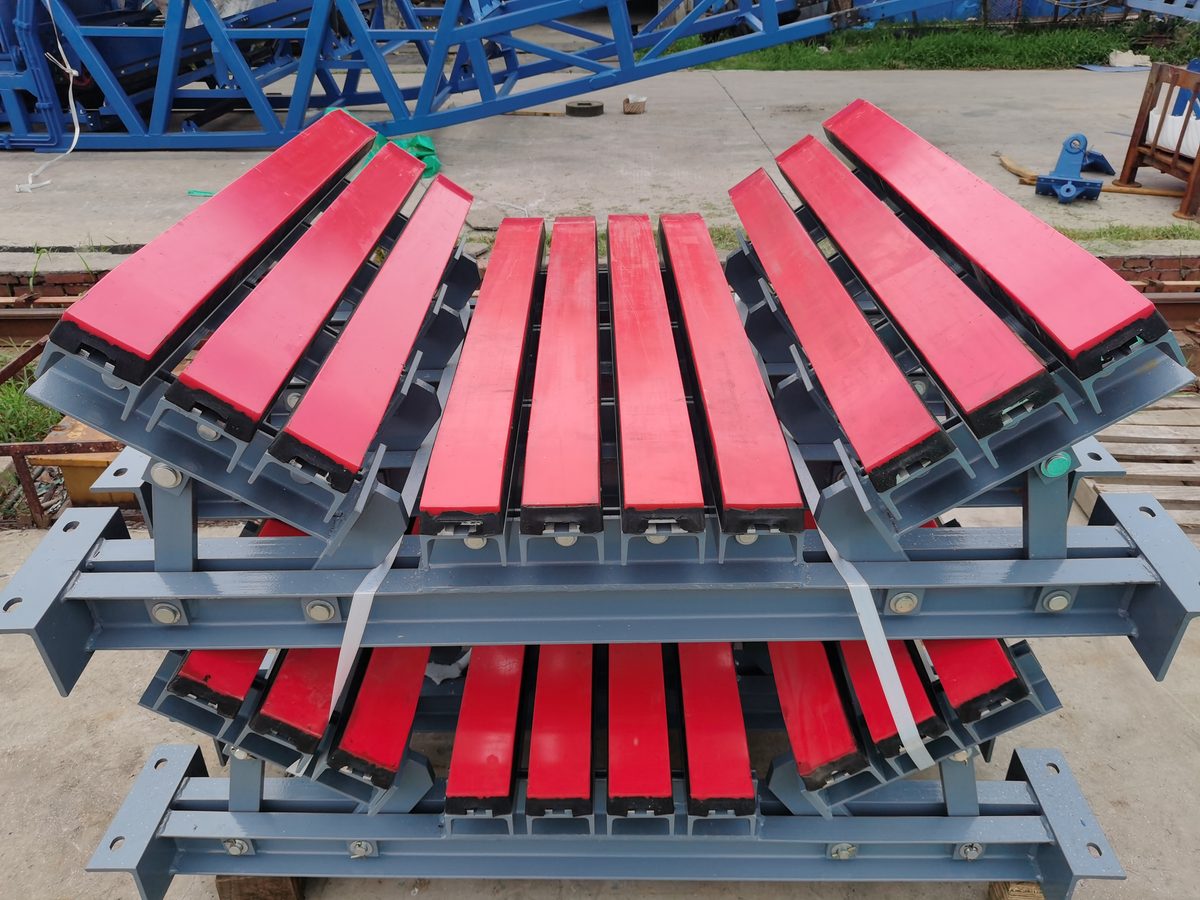
Impact bars support the belt through the loading zone. Bar layout, frame rating and access for replacement must be selected for the conveyor; slide-out or lowering sections depend on the quoted design.
BarsProfile to specification
ServiceReplaceable bar design
OptionsEvidence required for quoted material
Rollers
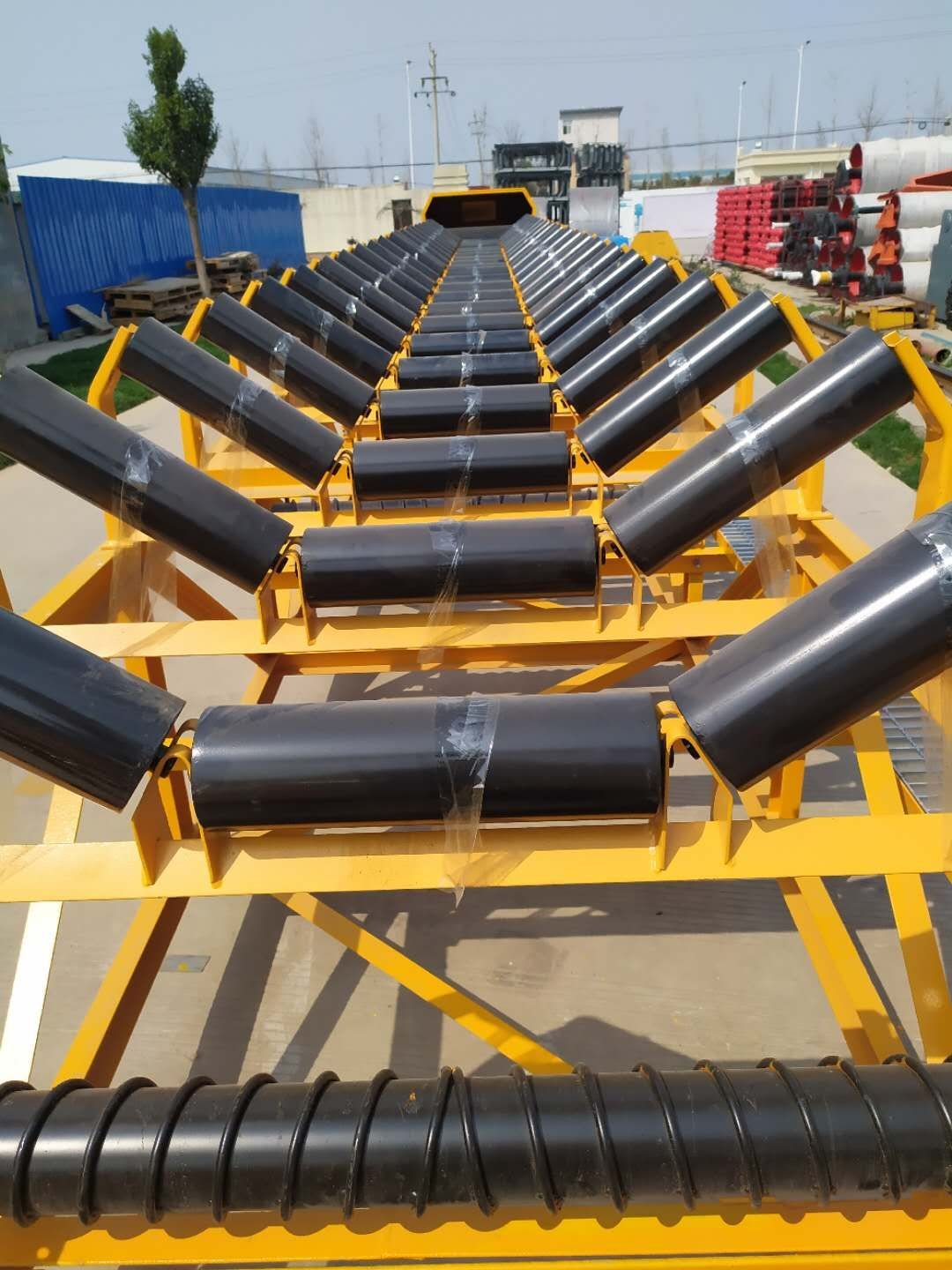
Carrying, return, impact, spiral and training rollers manufactured to the dimensions and duty specified in the enquiry. Bearing, seal and tube options are selected for the operating environment.
TypesCarrying / return / impact
SealingLabyrinth / sealed
SizesDrawing-specific
Idler Sets & Belt Training
Troughing, return, impact and self-aligning idler assemblies can be configured for the belt width, trough angle, load and tracking requirements.
FamiliesSupport / training
AngleTo conveyor drawing
DutyLoad-rated selection
Pulleys
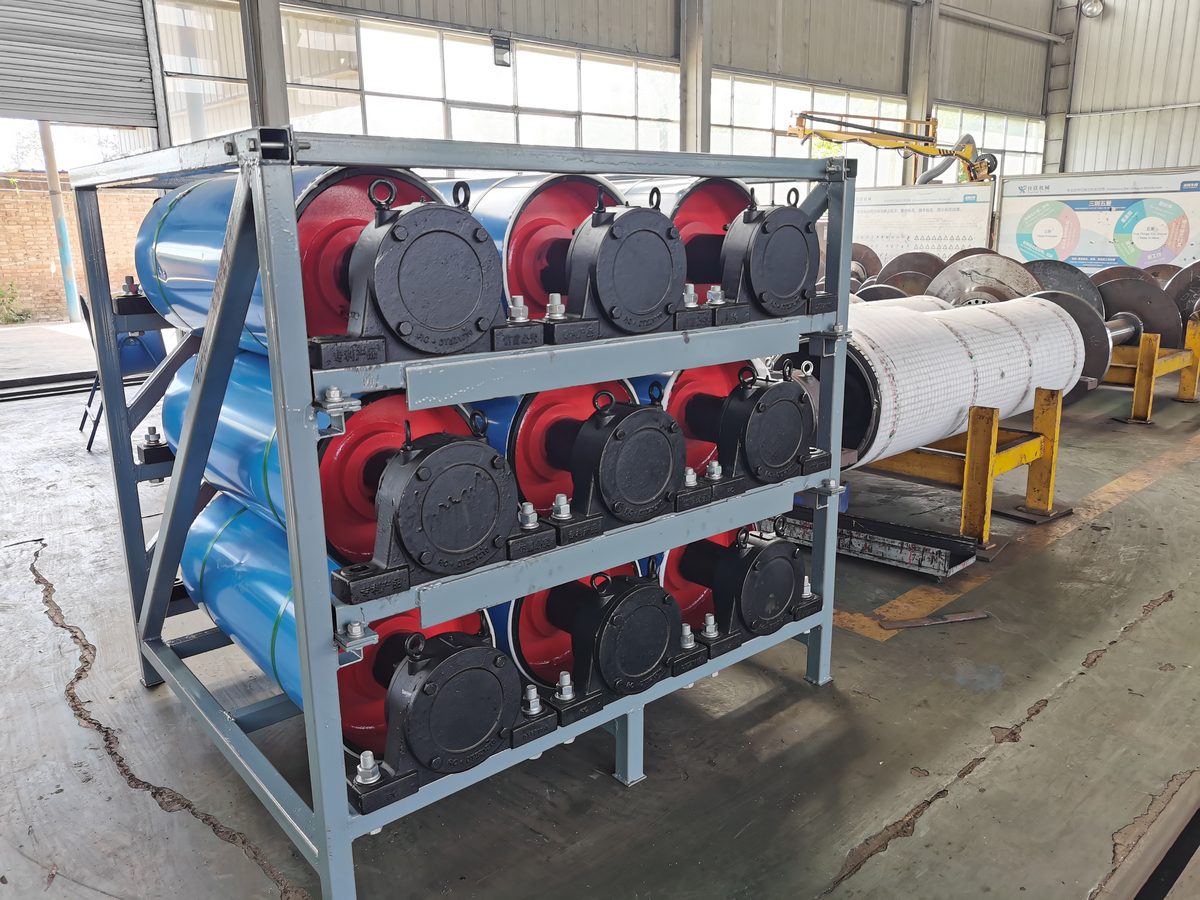
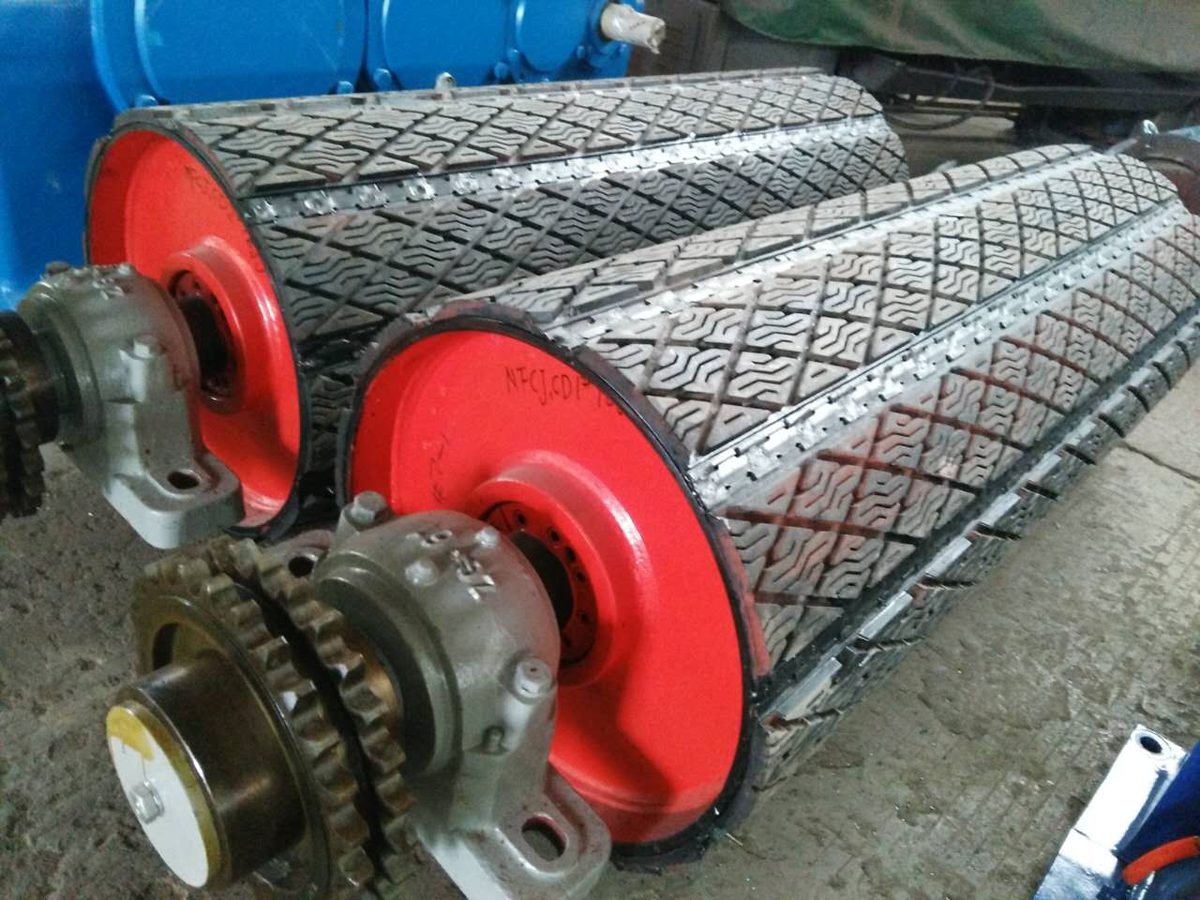
Drive, tail, bend, snub and take-up pulleys with rubber or ceramic lagging. Supply or refurbishment options are reviewed against drawings, dimensions, shaft and bearing details.
LaggingRubber / ceramic
TypesDrive / tail / bend / snub
ReviewDrawing or dimensions required
Dischargers & Tripper Cars
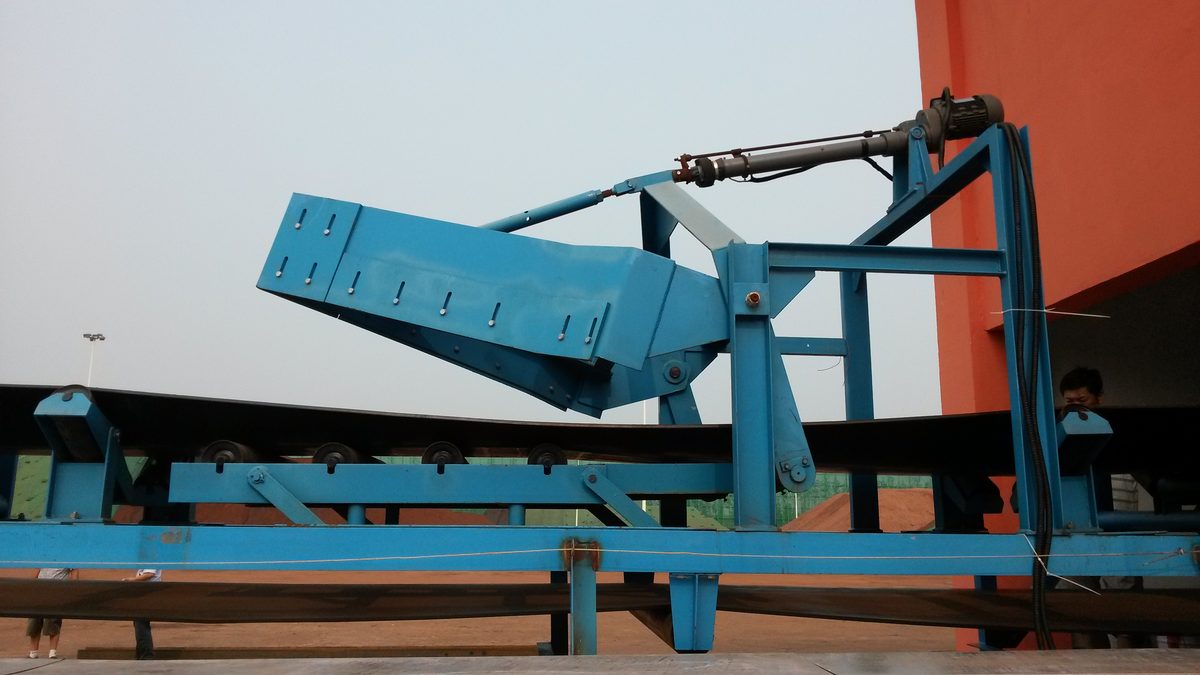
Travelling tripper cars and plough dischargers for stockyard and bin filling applications, supplied with rail gear, chutes and control arrangements.
TypesTripper / plough
TravelRail mounted
ChutesWear lined
Tubular Belt Conveyors
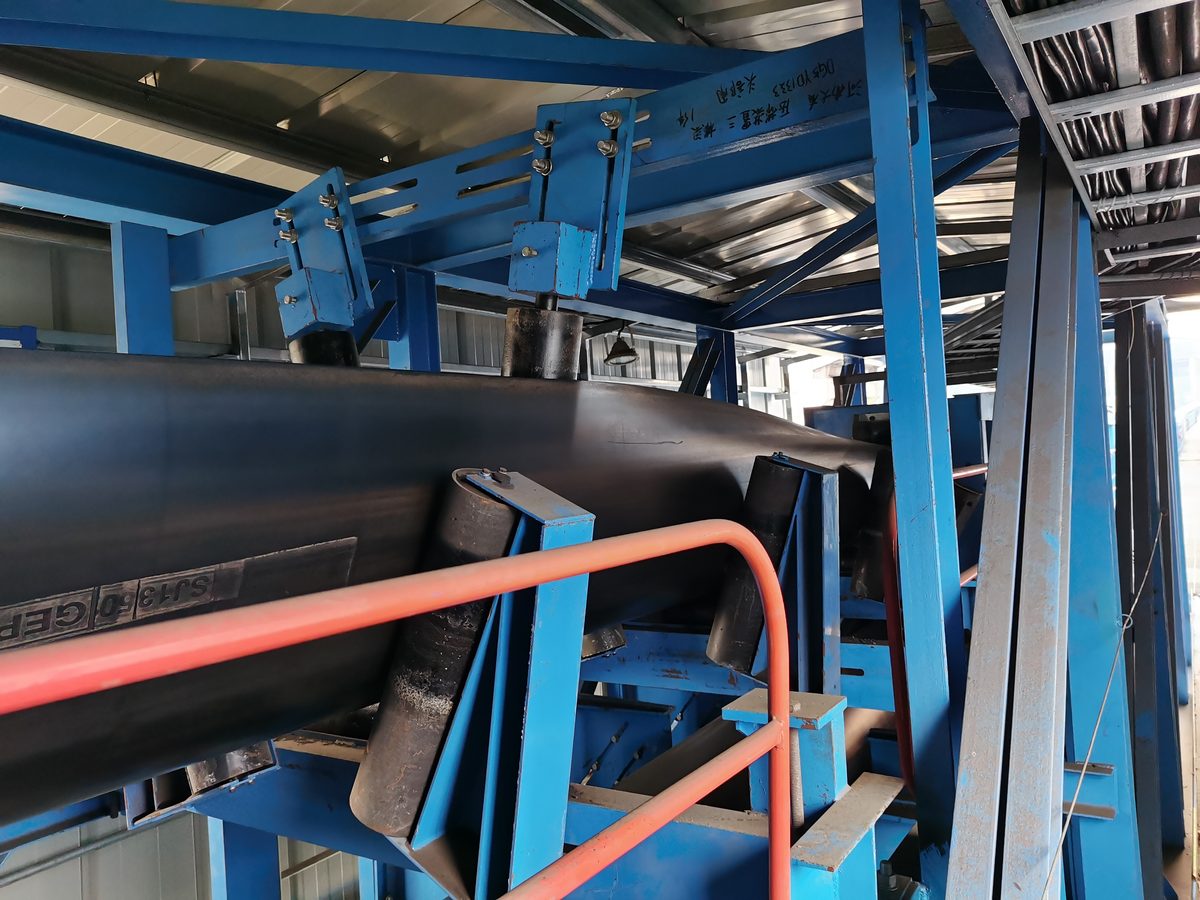
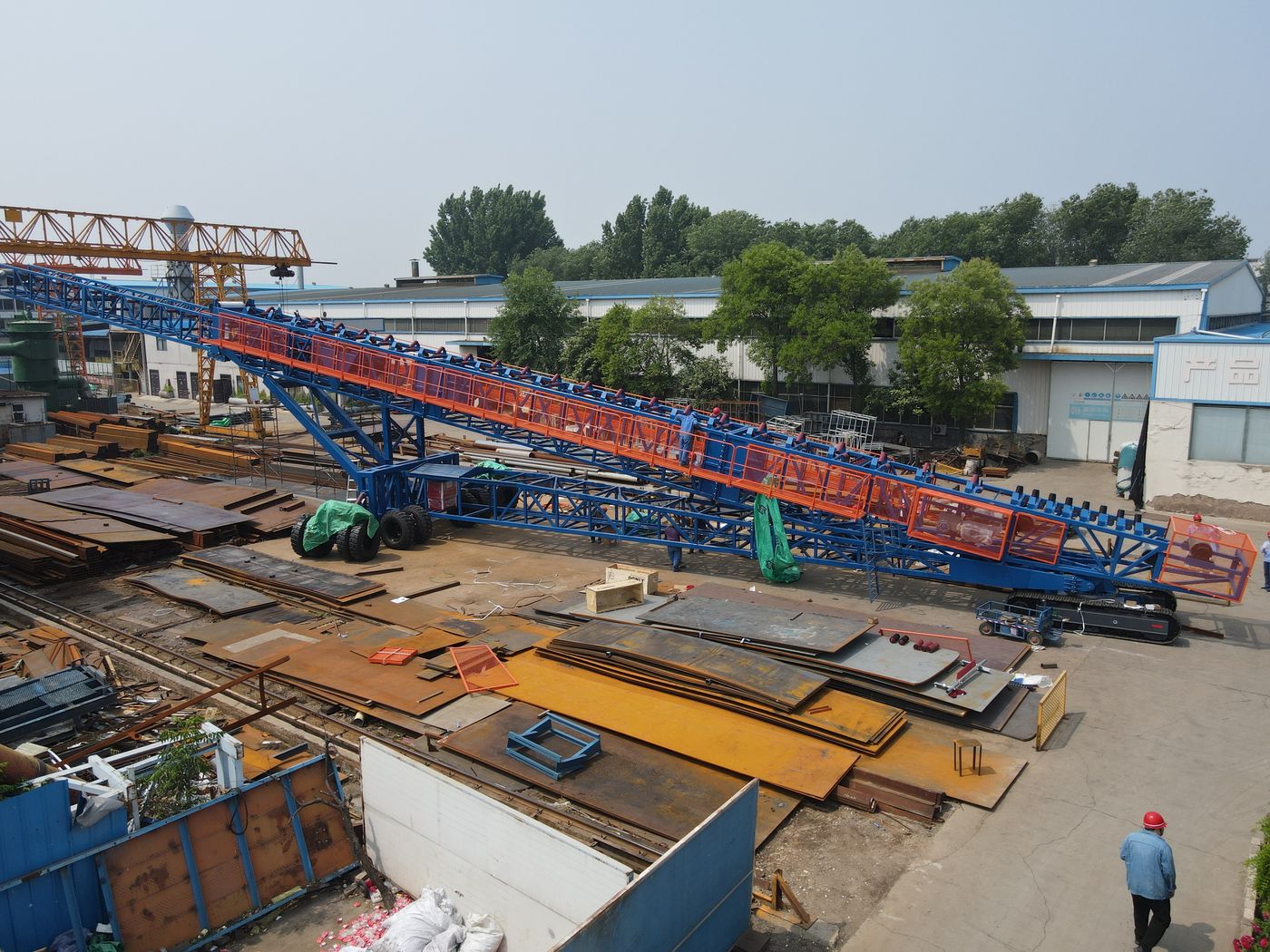
Pipe conveyors enclose the conveyed material to help control dust and spillage and can negotiate routing that may not suit a conventional troughed belt. Final suitability depends on material and route data.
BenefitEnclosed material transport
RoutingCurves & inclines
MaterialCoal, ore, concentrate
Corrugated Sidewall Conveyors
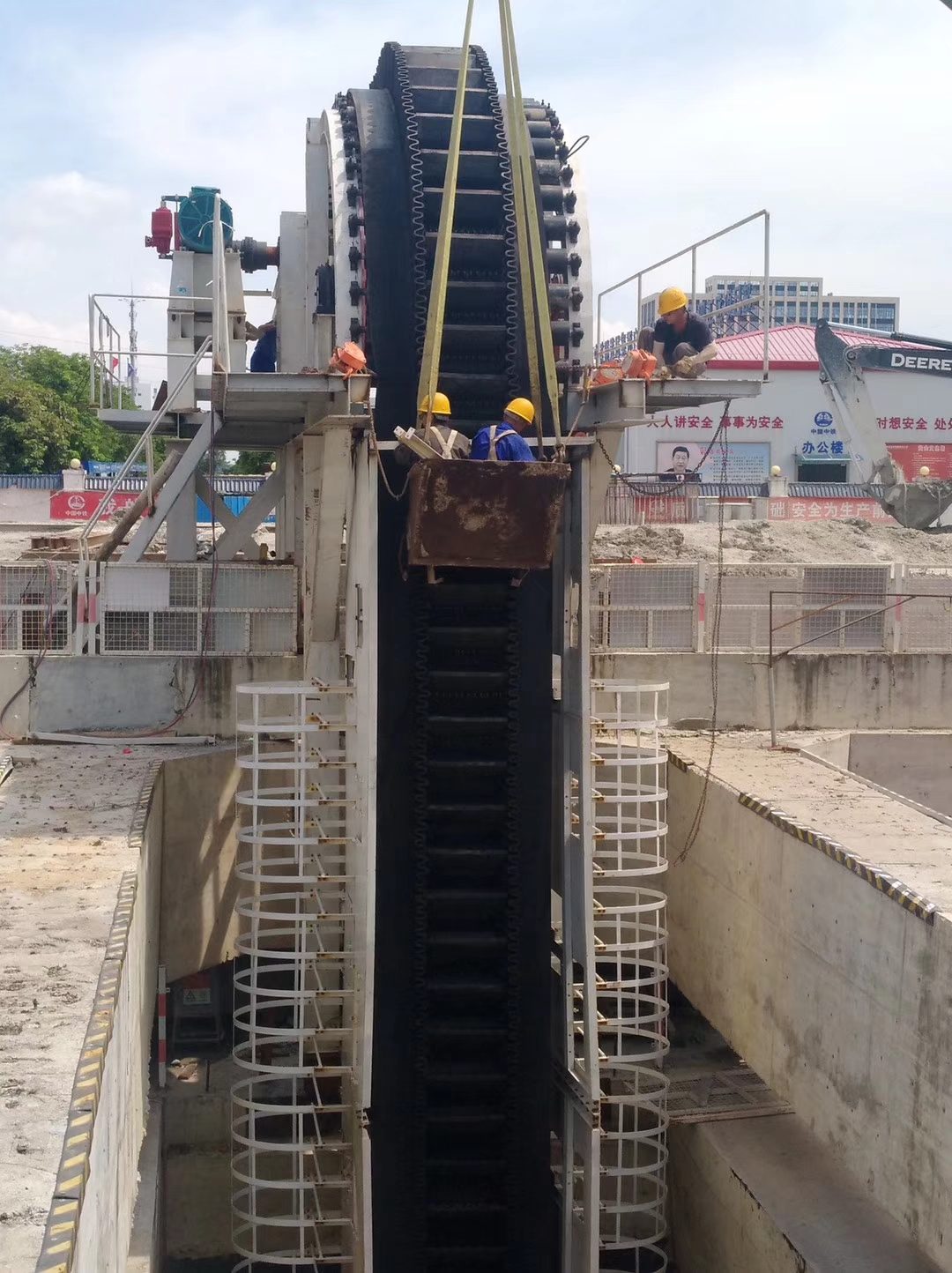
Steep-angle conveying with corrugated sidewalls and cleated belts, for applications where site space will not allow the length a conventional incline would need.
AngleSteep incline
BeltSidewall / cleated
UseConstrained sites
Belt cleaners
Belt cleaners selected for the belt and splice
Select the cleaner and blade together with the belt splice, speed, material and mounting arrangement. Some tungsten-carbide tips are approved for mechanical fasteners; others are not. Compatibility must be checked for the specific blade and splice.
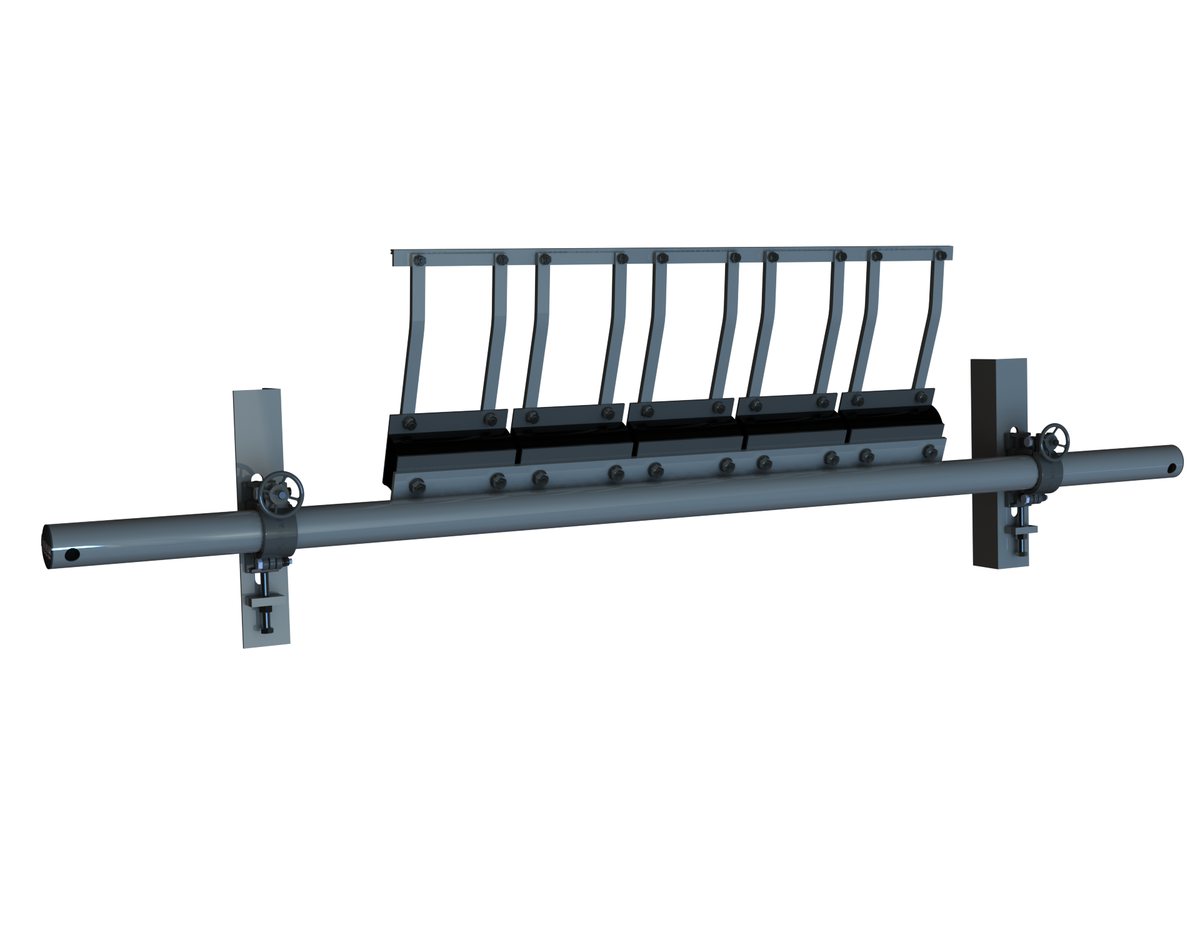
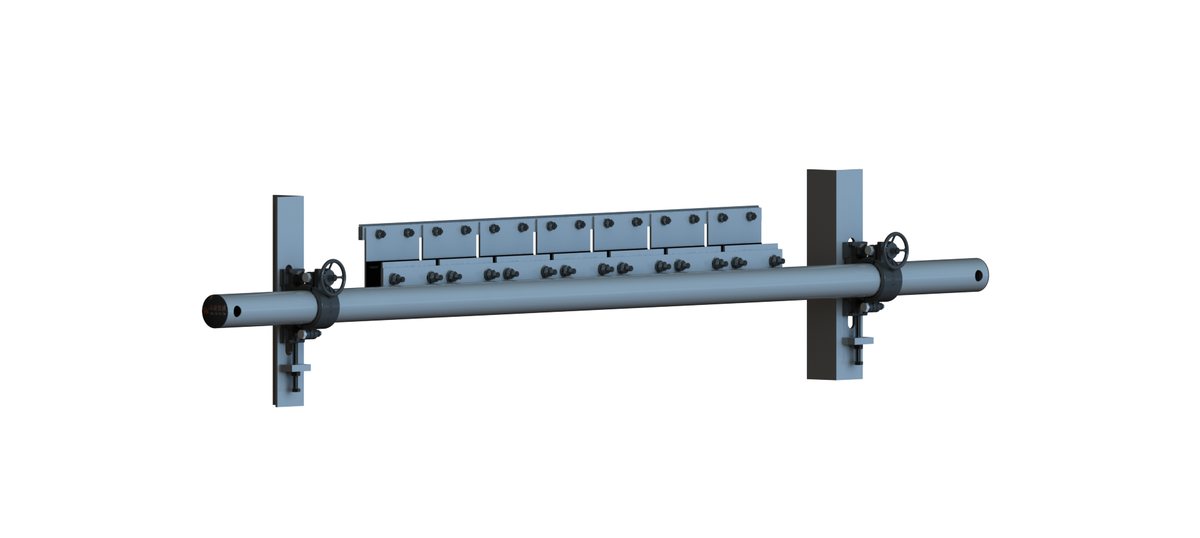
H-Type Alloy Cleaner
H-type segmented alloy-blade cleaner. Confirm blade specification, pulley diameter, belt width and splice compatibility before selecting the mounting position.
P-Type Alloy Cleaner
P-type segmented alloy-blade cleaner. Confirm its intended cleaning position, tensioner and splice compatibility from the supplier drawing; the type name alone does not establish suitability.
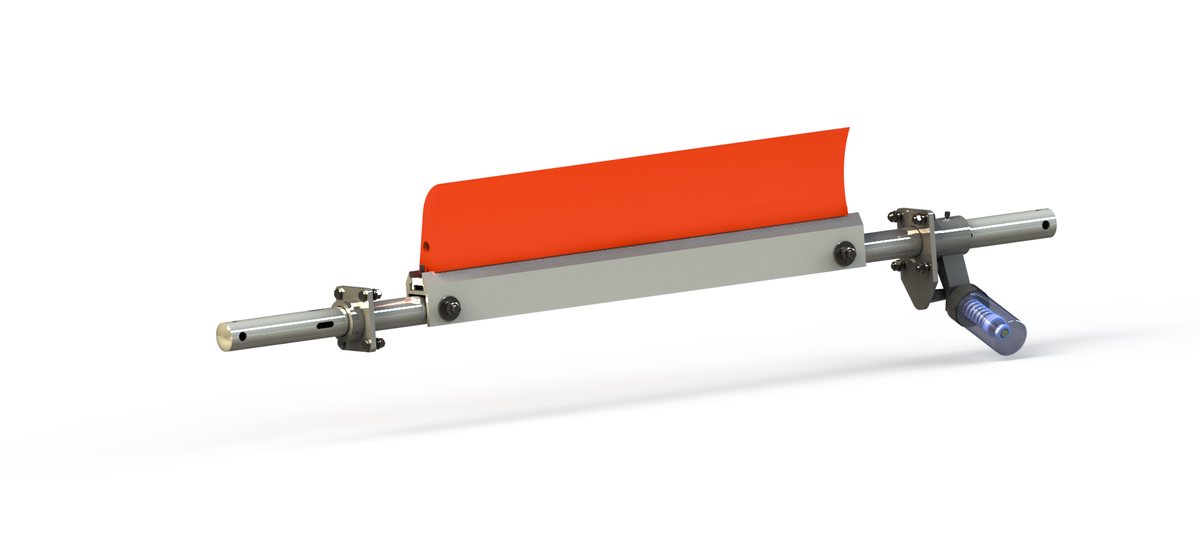
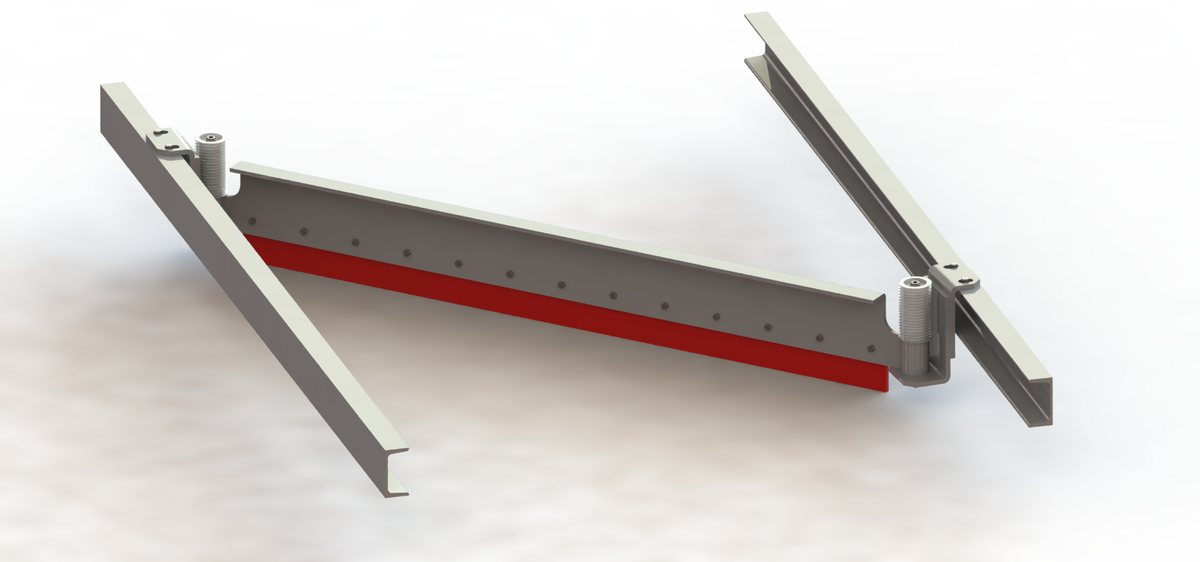
GH-Type Cleaner
GH-type cleaner with a continuous blade. Blade material, mounting position and tensioning arrangement are confirmed for the selected model and conveyor.
Return-Belt (Empty Section) Cleaner
Return-strand cleaner for removing material from the inner belt surface before it reaches a pulley. Confirm travel direction, mounting clearance and blade arrangement.
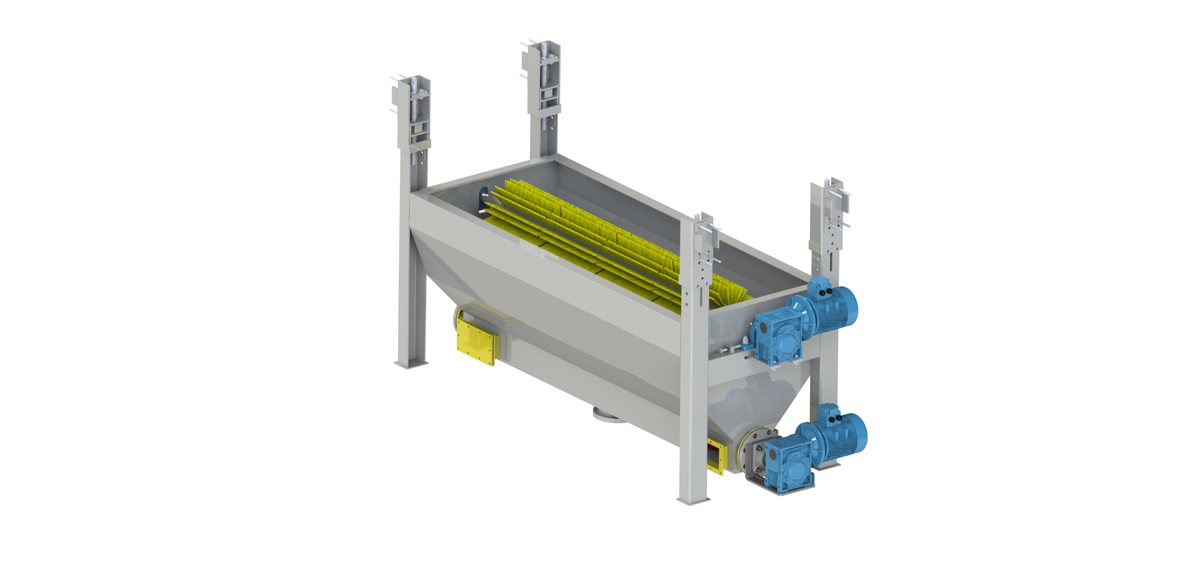
Roller-Brush Cleaner
Powered brush cleaning for sticky, wet or fibrous material that a blade cannot release cleanly, such as clay-rich or high-moisture feeds.
Reversible Cleaner
Cleaner for a reversible conveyor application. Confirm the approved operating directions, blade geometry and mounting position for the quoted model.
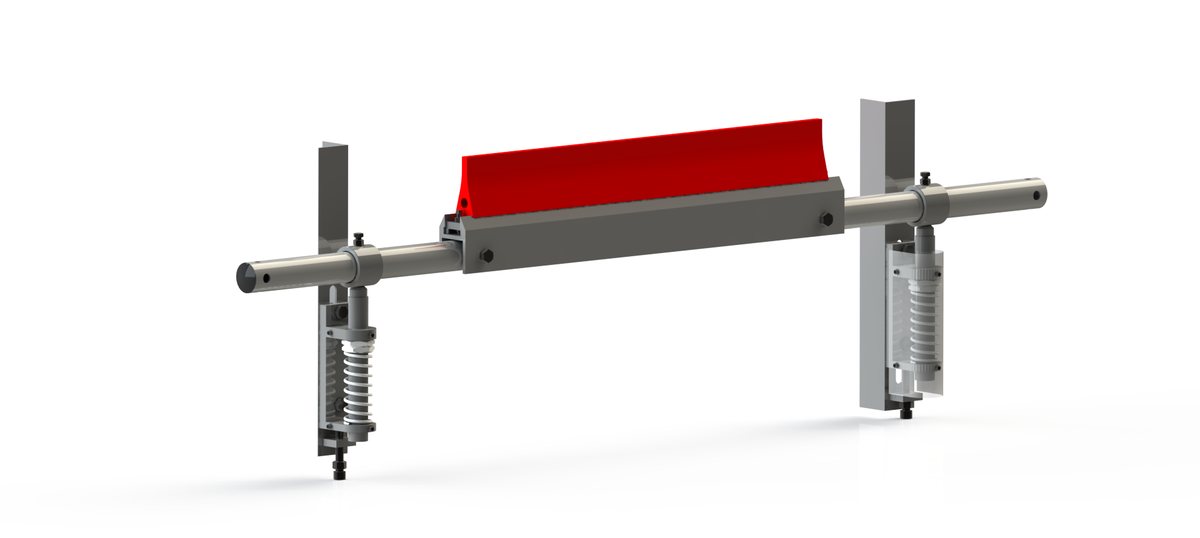
Counterweight Double-Head Cleaner
Twin-head cleaner with counterweight tensioning. Required blade pressure, available clearance and guarding are reviewed for the installation.
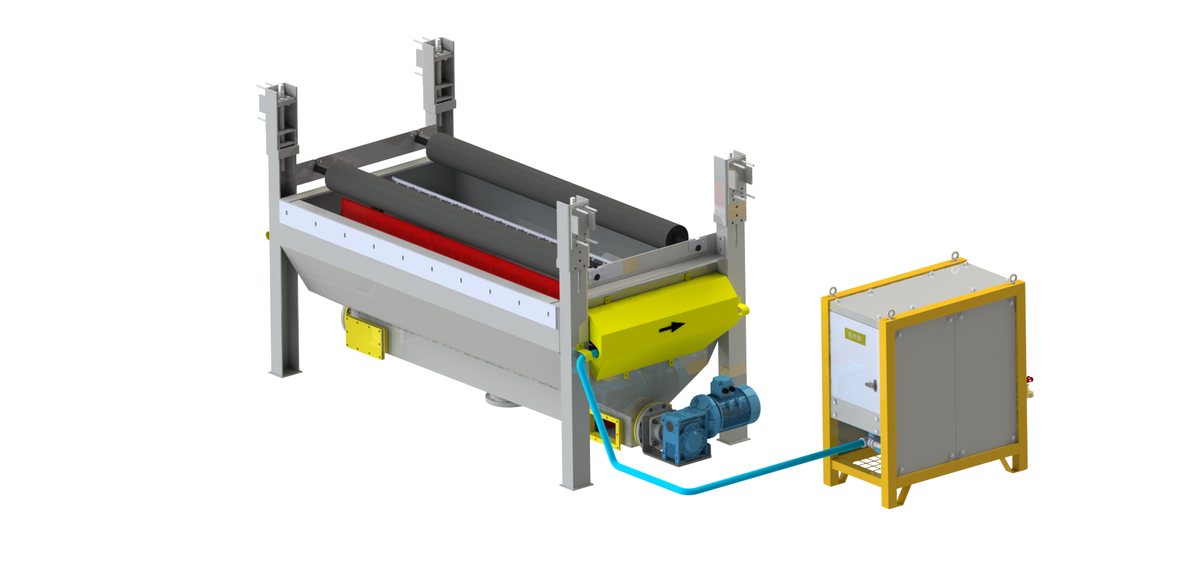
Combined Water Cleaning System
Combined wet belt-cleaning equipment. Water supply, drainage, slurry handling and suitability for the conveyed material must be checked before selection.
Impact beds & bars
Support at the loading point
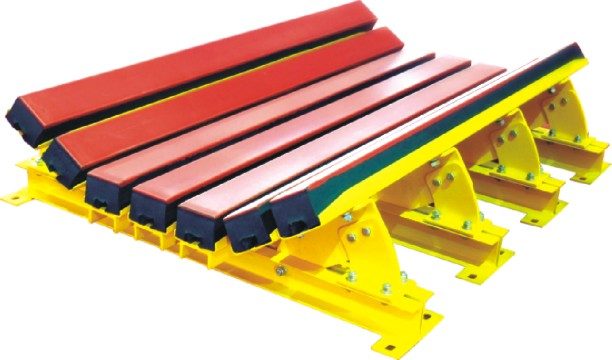
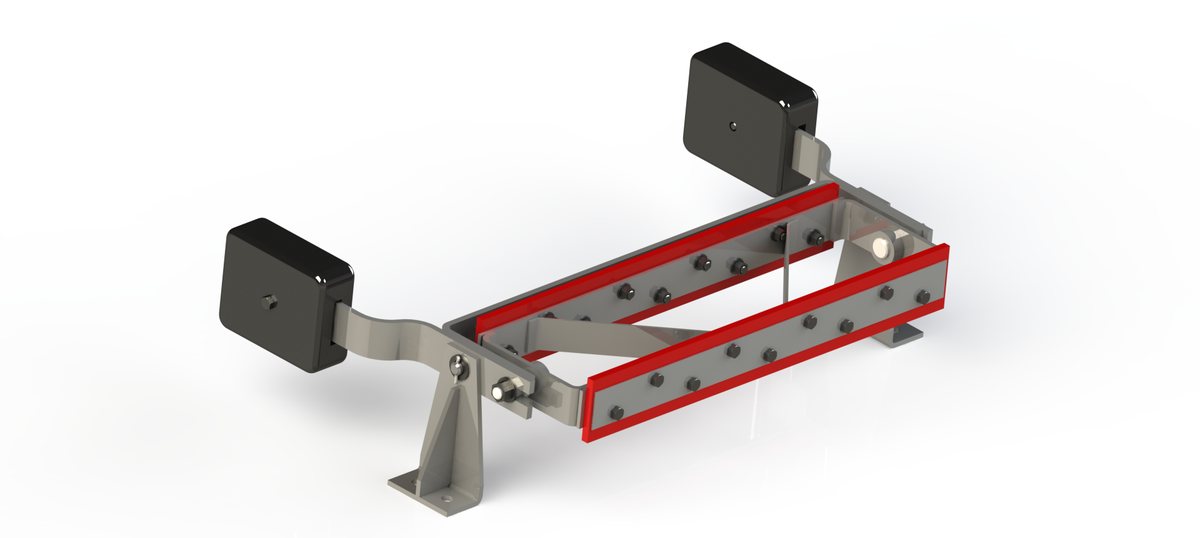
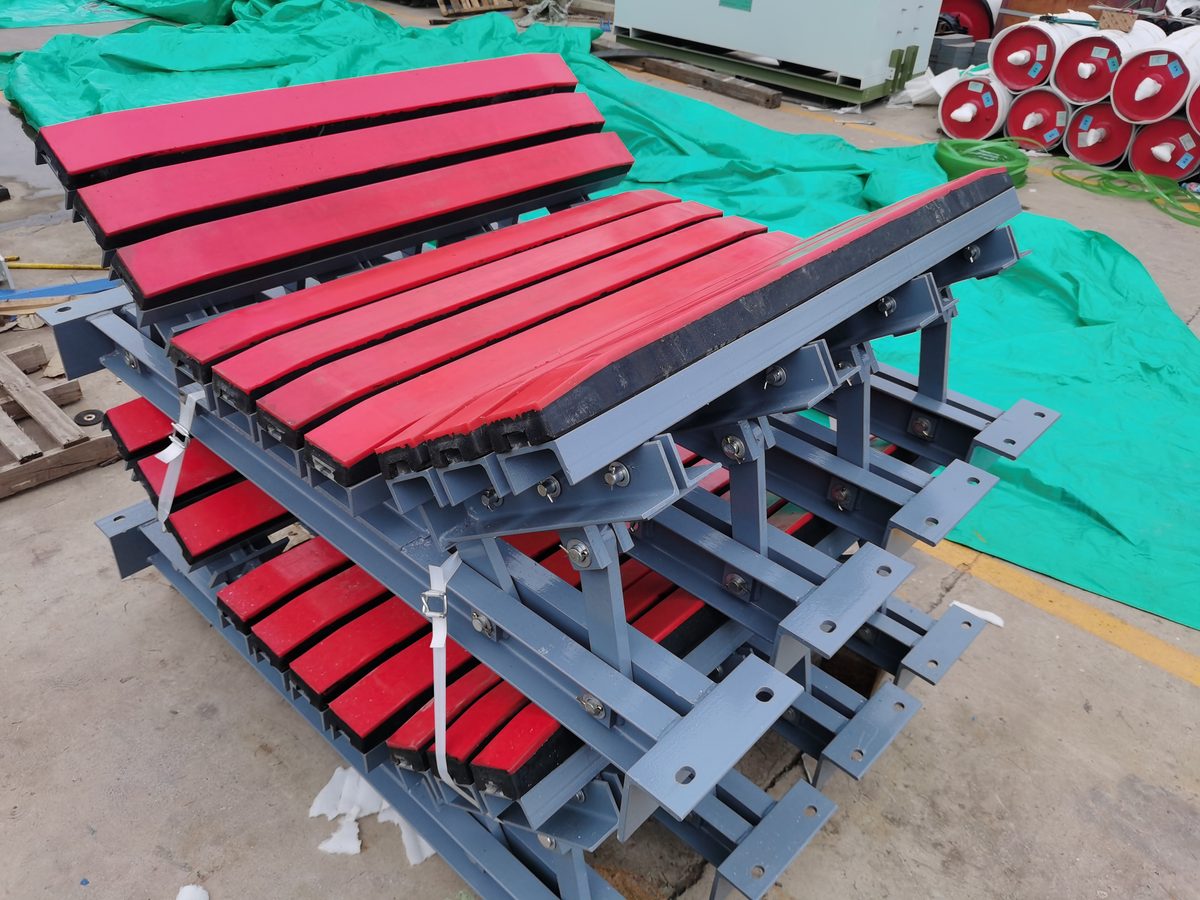
Impact beds support the belt beneath the loading chute. The frame and replaceable bars are selected for the belt geometry, material load and available maintenance space.
Impact bed assemblySupport frame with replaceable impact bars.Workshop assembly detailBar arrangement and mounting frame shown before installation.
What we need to quote
Send the details below with a drawing or clear photographs of the loading zone.
Selected against the duty at each point on the conveyor — carrying side, loading zone, return strand and cleaning position.
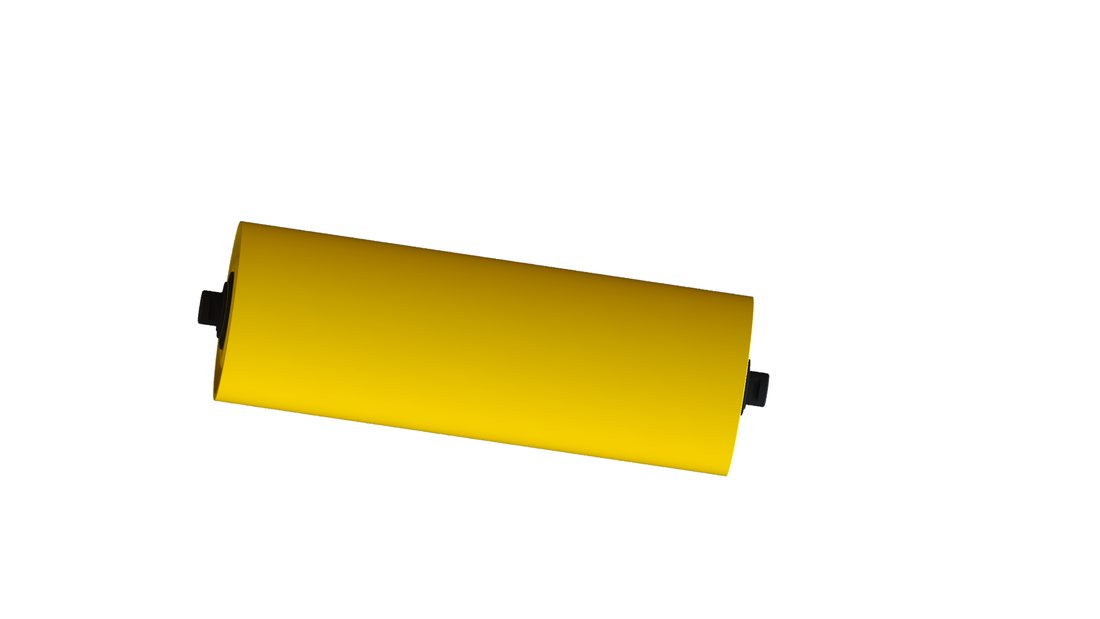
Normal Roller
Cylindrical carrying or return roller. Specify shell diameter, face length, shaft ends, bearings, seals, load and belt speed.
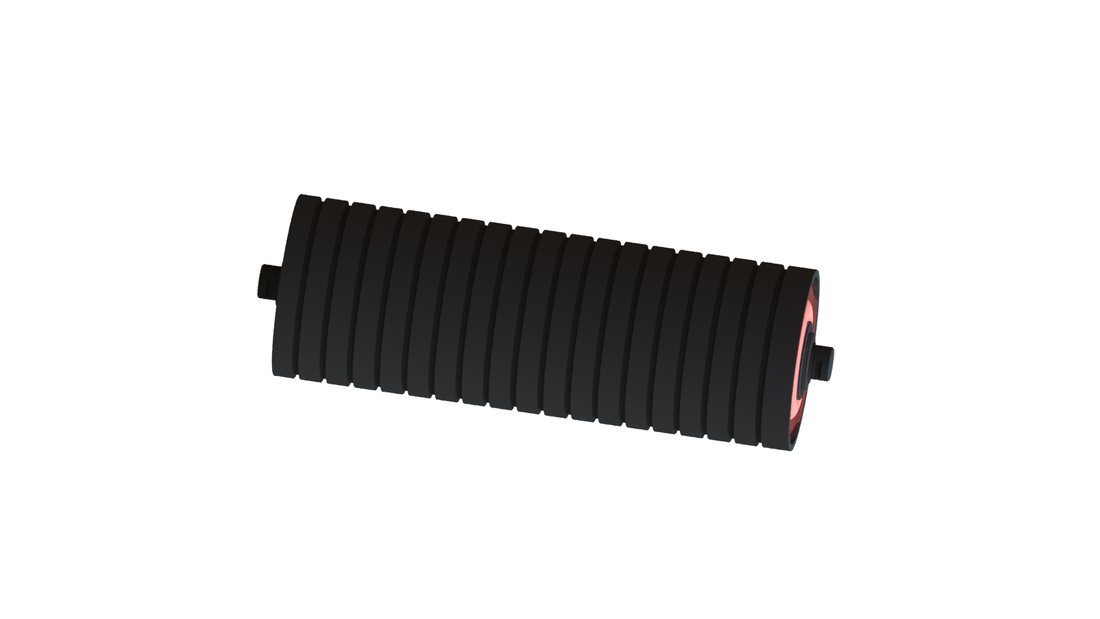
Impact Roller
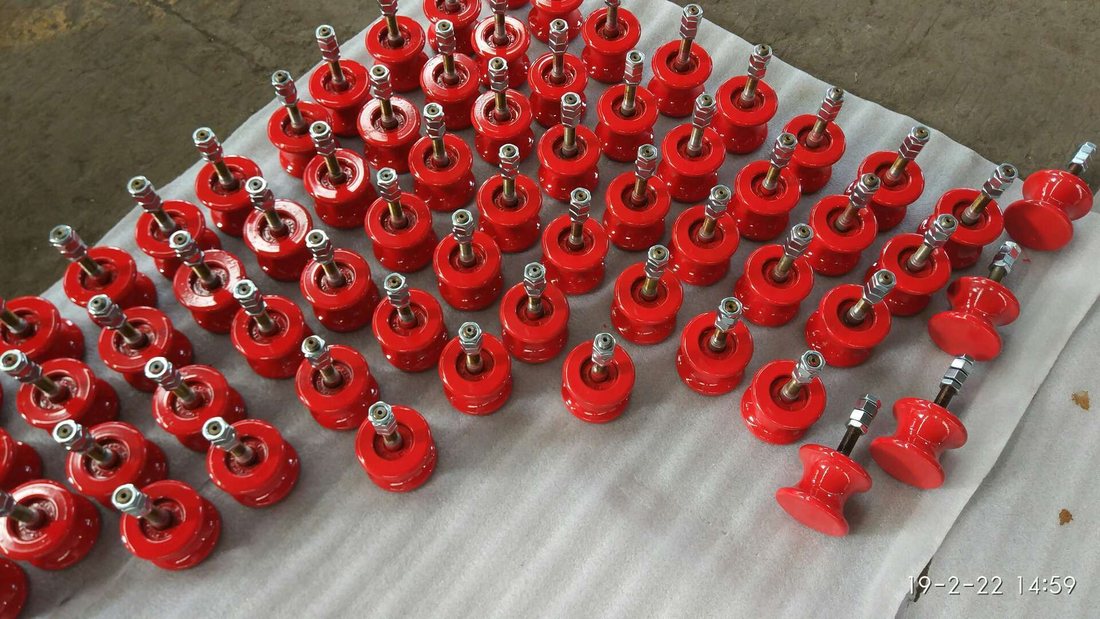
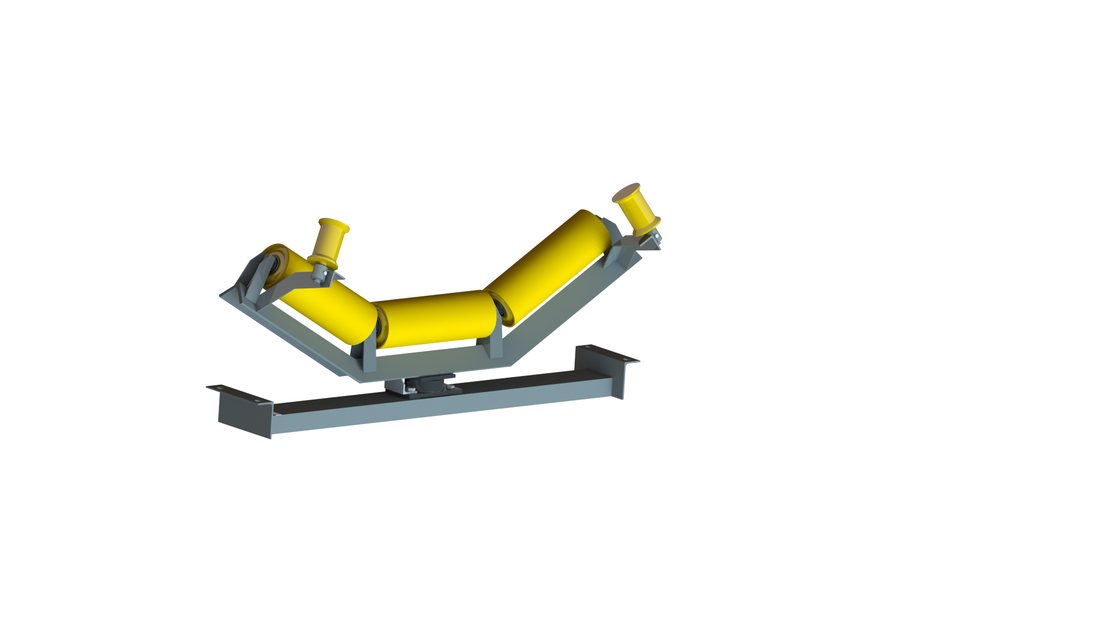
Rubber-disc impact roller for the loading zone. Disc arrangement, shaft, bearings and rated duty must match the transfer conditions.
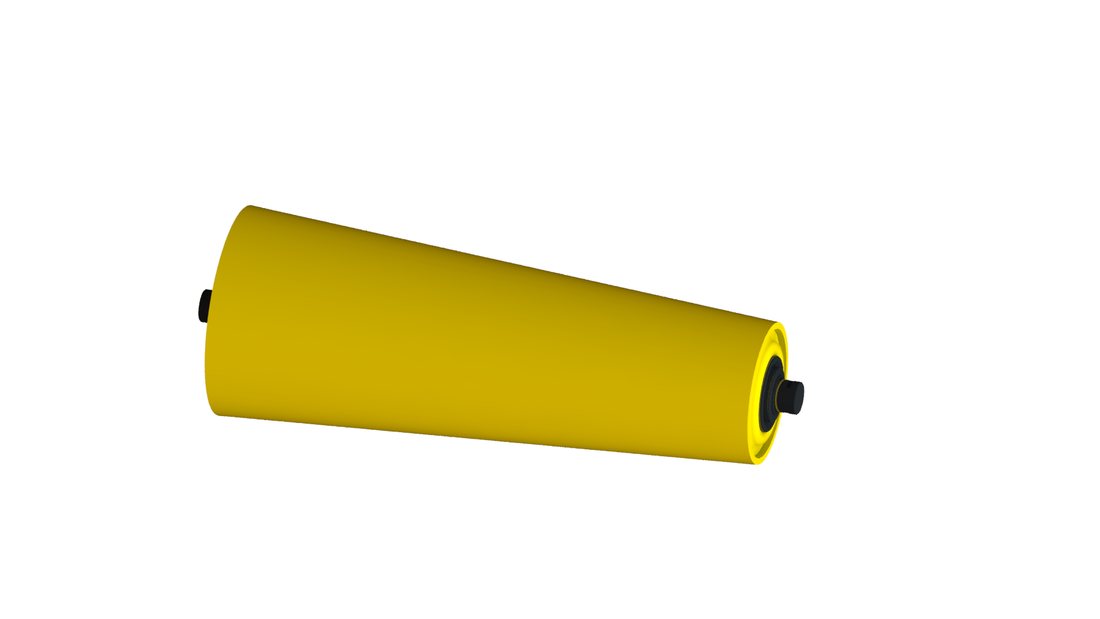
Cone Roller
Tapered roller used in a compatible training-idler assembly. Carrying or return position and mounting geometry depend on the selected assembly.
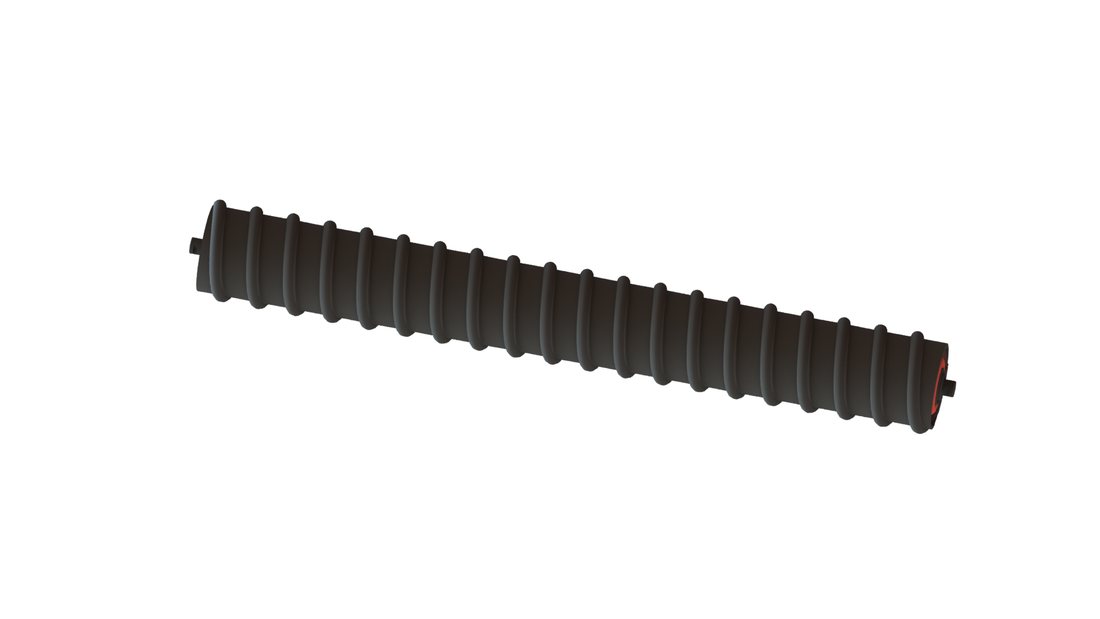
Spiral Roller
Spiral-profile roller intended to help shed material build-up in suitable return-belt applications. Confirm belt compatibility and rotation requirements.
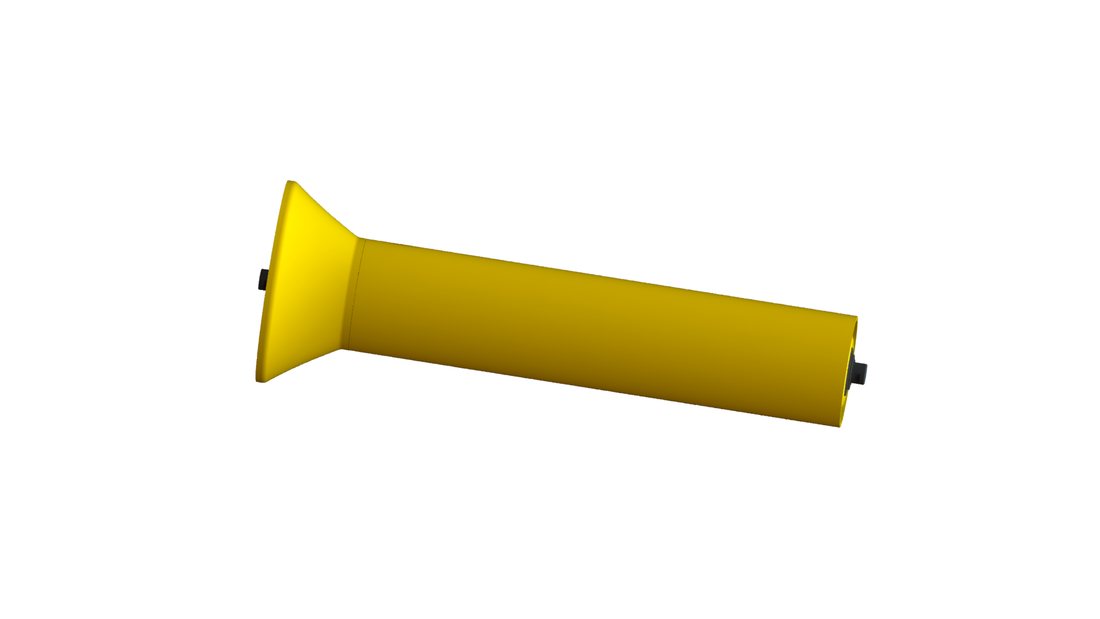
Friction Roller
Flanged friction roller for compatible belt-training assemblies. This is an idler component, not a driven conveyor pulley.
Self-aligning idler sets
Support and training idler designs
Training idlers can help control belt drift, but correct alignment, loading, belt splicing and pulley condition remain essential. The range below includes support sets as well as training sets.
Self-aligning idler set range
Set type
Trough angle
Where it is used
How it works
Normal troughing self-aligning
To conveyor drawing
Standard carrying side
Pivoting set that corrects belt drift on the carrying strand
Normal flat self-aligning
Flat
Return strand, wide belts
Flat pivoting set for return belt training
Normal impact idler set
To conveyor drawing
Under the loading chute
Rubber-disc roller support rated for the loading duty
Rubber-disc return set
As specified
Return strand, sticky material
Disc arrangement helps shed build-up; tracking depends on the assembly
Tapered self-aligning set
To conveyor drawing
Carrying side, high tonnage
Tapered rollers in a compatible pivoting training assembly
Training (friction) set
To conveyor drawing
Carrying side
Friction-driven training set for persistent misalignment
Rising self-aligning set
To conveyor drawing
Long overland conveyors
Set rises on the misaligned side, applying a corrective force
Hydraulic self-aligning set
To conveyor drawing
Heavy duty, high tonnage
Hydraulic training arrangement selected for the conveyor
Pulleys
Replacement pulleys checked against your drawing
Send the existing pulley drawing or key dimensions so replacement fit, shaft, bearings, lagging and duty can be reviewed before quotation.
Pulley types, lagging and application notes
Pulley type
Function
Lagging
Notes
Drive (head) pulley
Transmits torque
Rubber or ceramic lagged
Lagging is selected for traction, belt condition, tension and operating environment
Tail pulley
Turns the belt at the tail end
Rubber lagged
Tension control depends on the take-up arrangement; tail pulleys are not inherently tensioning devices
Bend and snub pulleys
Changes belt direction or wrap
Plain or lightly lagged
Bend pulleys redirect the belt; a snub pulley increases wrap around a neighbouring pulley
Take-up pulley
Maintains belt tension
Plain
Works with the take-up system to hold correct belt tension
Refurbished pulley
Any of the above
Re-lagged, re-shafted, rebalanced
Condition assessment is required before refurbishment can be quoted
Specialist conveyors
When a conventional troughed belt will not do the job
Two designs that solve routing and space problems a standard conveyor cannot.
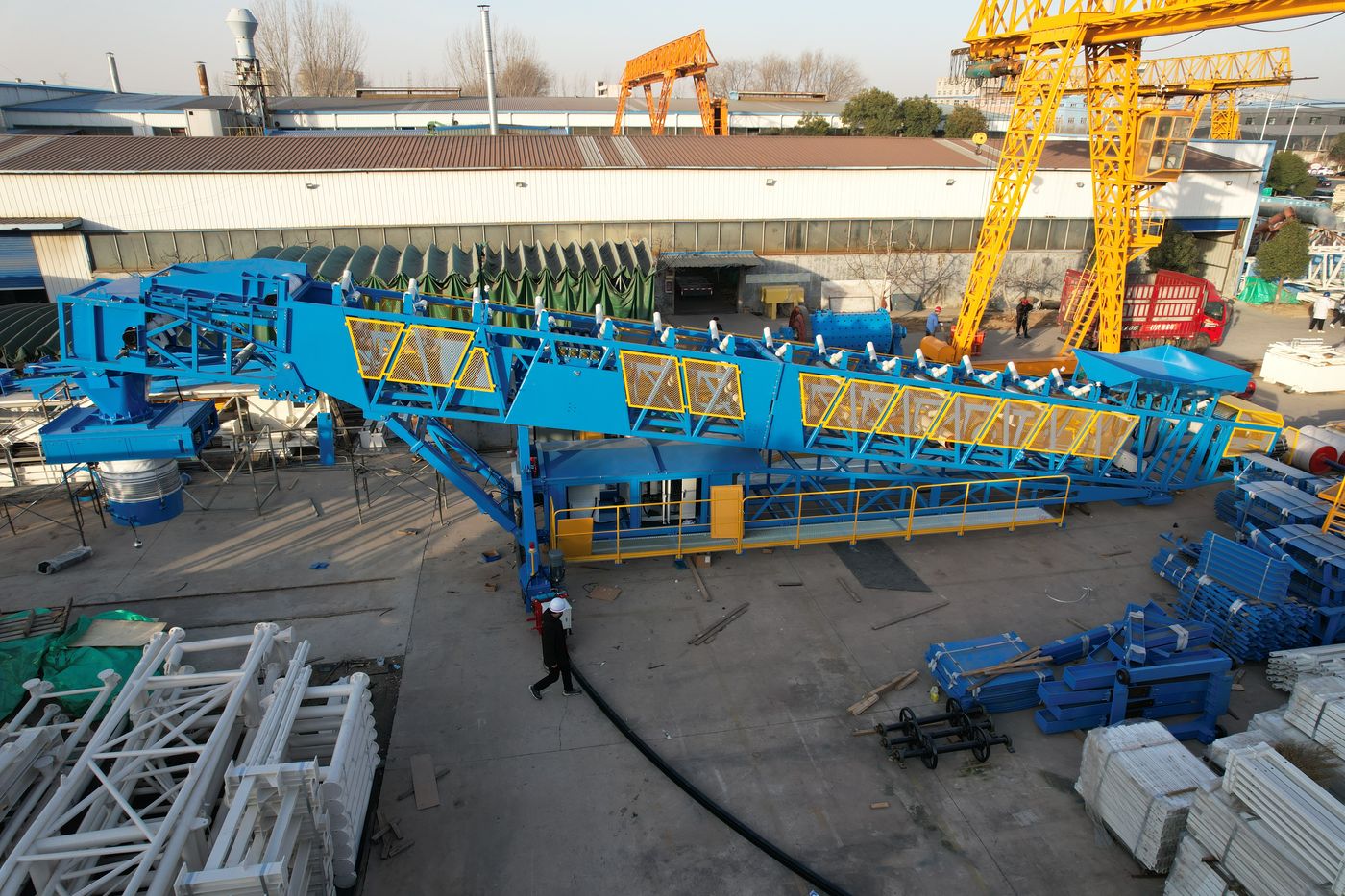
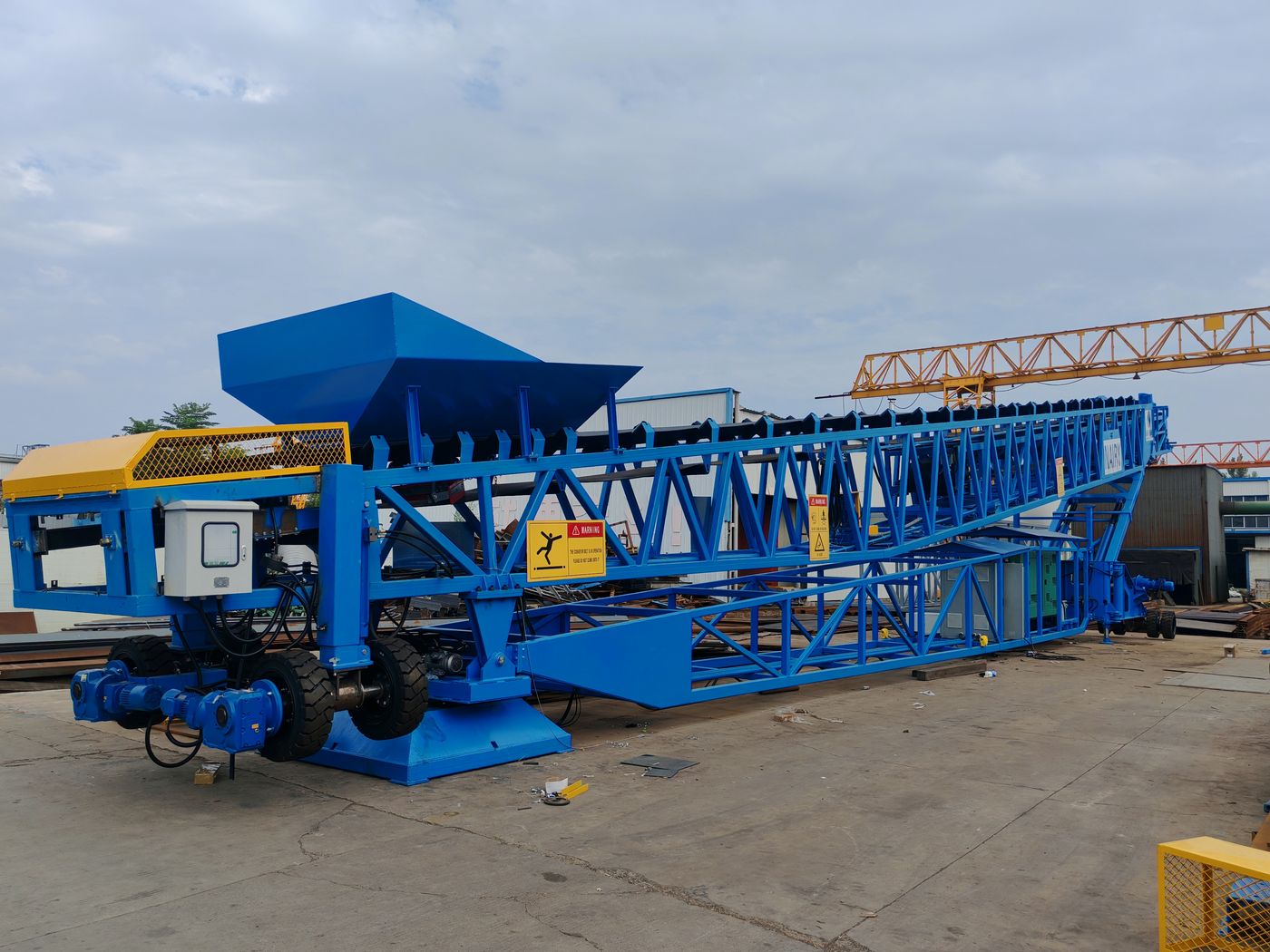
Conveyor equipment and component photographs from the supplied product library. Click an image for a larger view. These photographs do not establish a particular installation location or delivery history.
Mobile conveyor equipment in yardConveyor equipment assembly yardConveyor structures in fabrication yardEnclosed pipe conveyorSteep-angle sidewall conveyorTroughing roller assembliesLagged pulleysImpact bed assemblyPlough discharge equipmentMobile conveyor equipment in yardConveyor equipment assembly yardTripper conveyor installation
Questions
Conveyor components, answered
Nine of the questions we field most often, answered properly.
A primary cleaner removes the bulk of carryback at the head pulley, while a secondary cleaner addresses remaining fines and moisture on the return side. Actual cleaning performance depends on the conveyed material, belt condition, speed, splice and installation. A matched system should be selected from site data.
Some tungsten-carbide blade designs are suitable for mechanical fasteners, while others can damage the splice. Provide the fastener type, belt condition and speed. Use only a blade and tensioner combination approved for that splice; polyurethane is another option where suitable.
Confirm compatibility from the cleaner manufacturer documentation. Blade hardness alone is not a reliable selection rule.
Blade life varies significantly with material abrasiveness, belt condition, cleaner position, tension and maintenance. Inspection intervals should be based on observed wear and the site shutdown plan.
Inspect blade wear, tension and fastener clearance according to the cleaner instructions. Replacement kits and access requirements depend on the selected model.
For a reversible conveyor, select a cleaner explicitly rated for both travel directions. A single-direction cleaner may be damaged or unsafe when the belt reverses.
Provide the belt width, speed, splice, reversal pattern and available mounting space so the correct arrangement can be reviewed.
Impact idlers support the belt on rotating rubber-disc rollers. Impact beds use resilient bars to support the loading zone between and along the contact surfaces.
An appropriate impact bed can reduce belt deflection and improve skirt sealing, but cannot guarantee prevention of punctures or belt damage. Check impact energy, frame rating, belt friction and access.
Provide belt width, trough angle, speed, maximum lump size and mass, drop height, feed rate, loading-zone length and mounting dimensions. The bed and bar arrangement must be selected for the resulting duty.
For severe-duty applications, send the maximum lump size and mass, drop height, belt width and speed so the frame duty, bar profile and bed length can be reviewed.
Some impact-bed designs allow bars to be removed through slide-out or lowering sections. Access depends on the supplied frame and the surrounding conveyor structure; confirm the maintenance procedure before ordering.
Replacement time depends on the bed design, access and isolation procedure. Replacement bar kits can be matched to the confirmed frame profile.
Rubber and ceramic lagging are selected according to pulley duty, belt tension, traction, wetness, abrasion and belt-cover condition.
Ceramic lagging may improve traction in some duties, but is not automatically the right choice. Specify any fire-resistance, antistatic or site requirements and obtain the applicable test evidence before ordering.
Fit must be confirmed from the existing drawing or measured dimensions. Provide shaft diameter, bearing arrangement, shell diameter, face width, lagging specification and operating duty. We will review these details and state the agreed replacement scope on the quotation.
Send us the belt width, tonnage and drop height
These details allow us to review suitable cleaners, impact beds and idlers and identify any additional information needed for a quotation.